





The Africa Reproductive Justice Litigation Alliance is a continental Alliance established to consolidate, coordinate, and elevate reproductive justice litigation across Africa. It was formed in recognition of a structural deficit within the regional legal landscape: the absence of a cohesive continental mechanism capable of harmonising national litigation efforts, engaging regional judicial bodies, and advancing a unified African jurisprudence on reproductive justice. ARJLA is a structured litigation architecture rooted in African legal philosophy and continental solidarity. Its core mandate is the advancement of reproductive justice through strategic litigation, legal empowerment, and legal aid across national, sub-regional, and continental judicial forums.
Mandate and Scope
ARJLA’s mandate is to utilise the law as an instrument of social justice through three integrated approaches: strategic and public interest litigation, legal empowerment, and legal aid. The Alliance operates across: National courts, Sub-regional judicial mechanisms, including regional economic community courts and Continental human rights institutions. Its litigation scope encompasses reproductive autonomy, access to safe abortion and post abortion care, contraception, maternal health, comprehensive sexuality education, protection from sexual and gender based violence, and other structural determinants of reproductive justice.

Membership_
Membership in ARJLA is open to reproductive justice actors across Africa, including civil society organisations, legal and medical practitioners, judicial officers, academics, coalitions, and networks committed to advancing reproductive justice through legal mechanisms. Eligibility requires demonstrated engagement in reproductive justice work, adherence to ARJLA’s guiding principles, and commitment to continental collaboration. Members benefit from structured platforms for cross learning, coordinated litigation strategy, technical and financial support mechanisms, and participation in continental convenings. Membership responsibilities include adherence to institutional standards, active contribution to Alliance initiatives, and compliance with conflict of interest and accountability provisions.
The Team
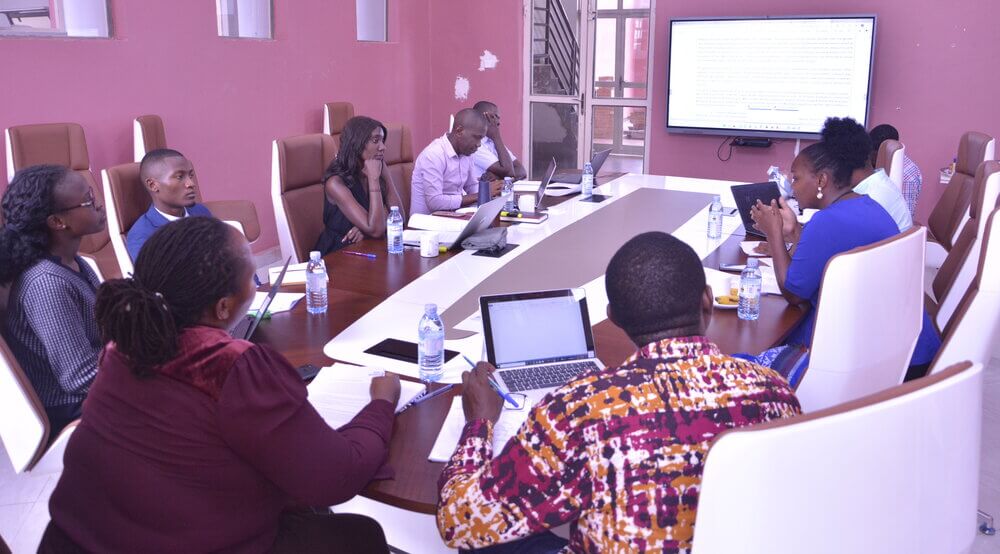
The team consists of experts who have conceptualised, led, and secured landmark reproductive justice cases, demonstrating deep expertise across the full litigation continuum. This expertise spans case identification and evidence development, legal theory construction, survivor-centred representation, coalition litigation, courtroom advocacy, and post-judgment enforcement. Their work advances Africentric jurisprudence that centres bodily autonomy, dignity, equality, and access to health, positioning the Fund as a powerful catalyst for systemic legal transformation capable of reshaping both national and continental justice landscapes.
